
Why Santa Cruz, Bolivia Should Be On Your Bucket List
If you’re looking for diversity, Bolivia has it all. From high altitude cities like La Paz, to the Amazonian rainforests in Beni to the subtropical moist forests in Santa Cruz, Bolivia.
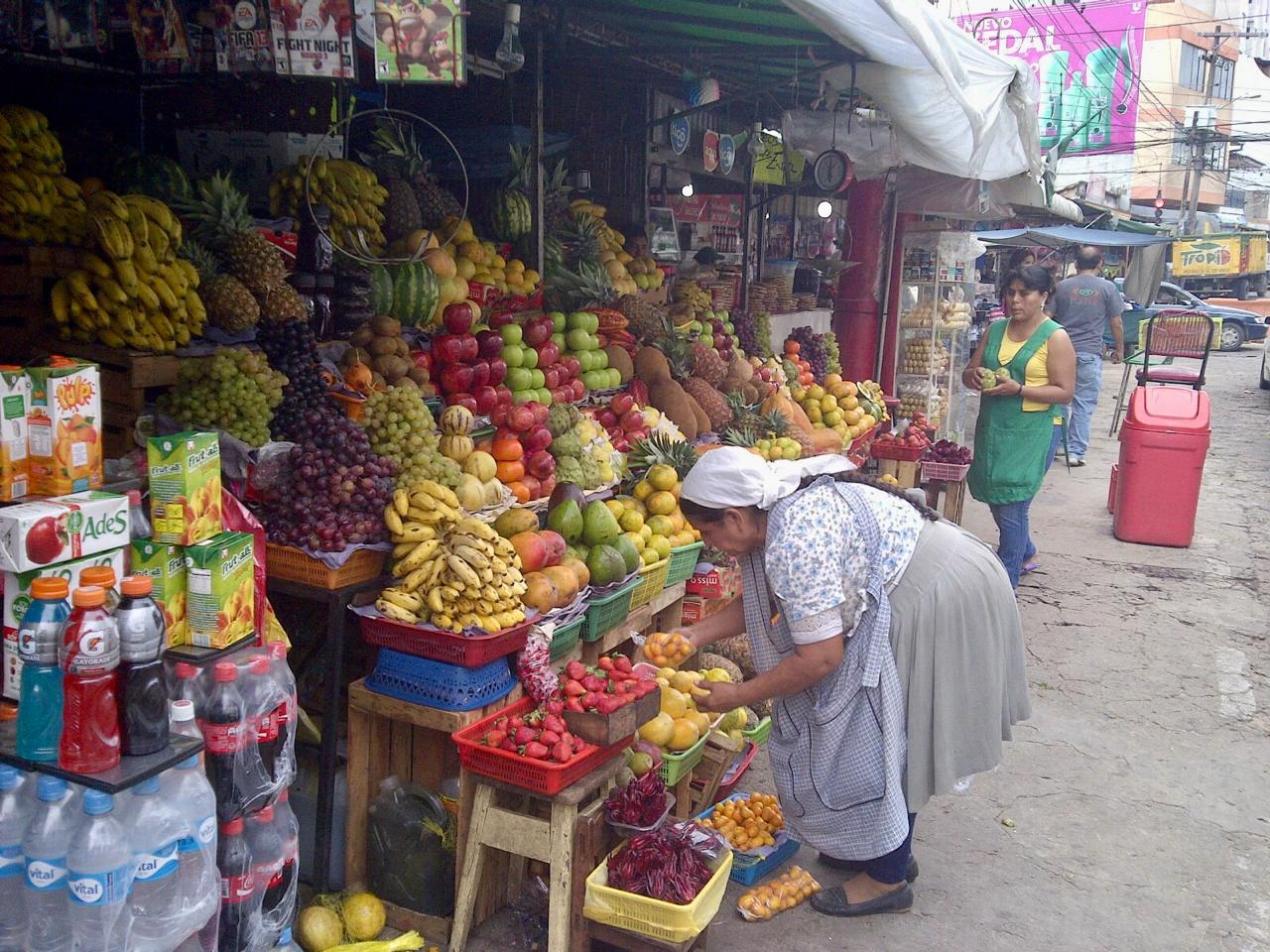
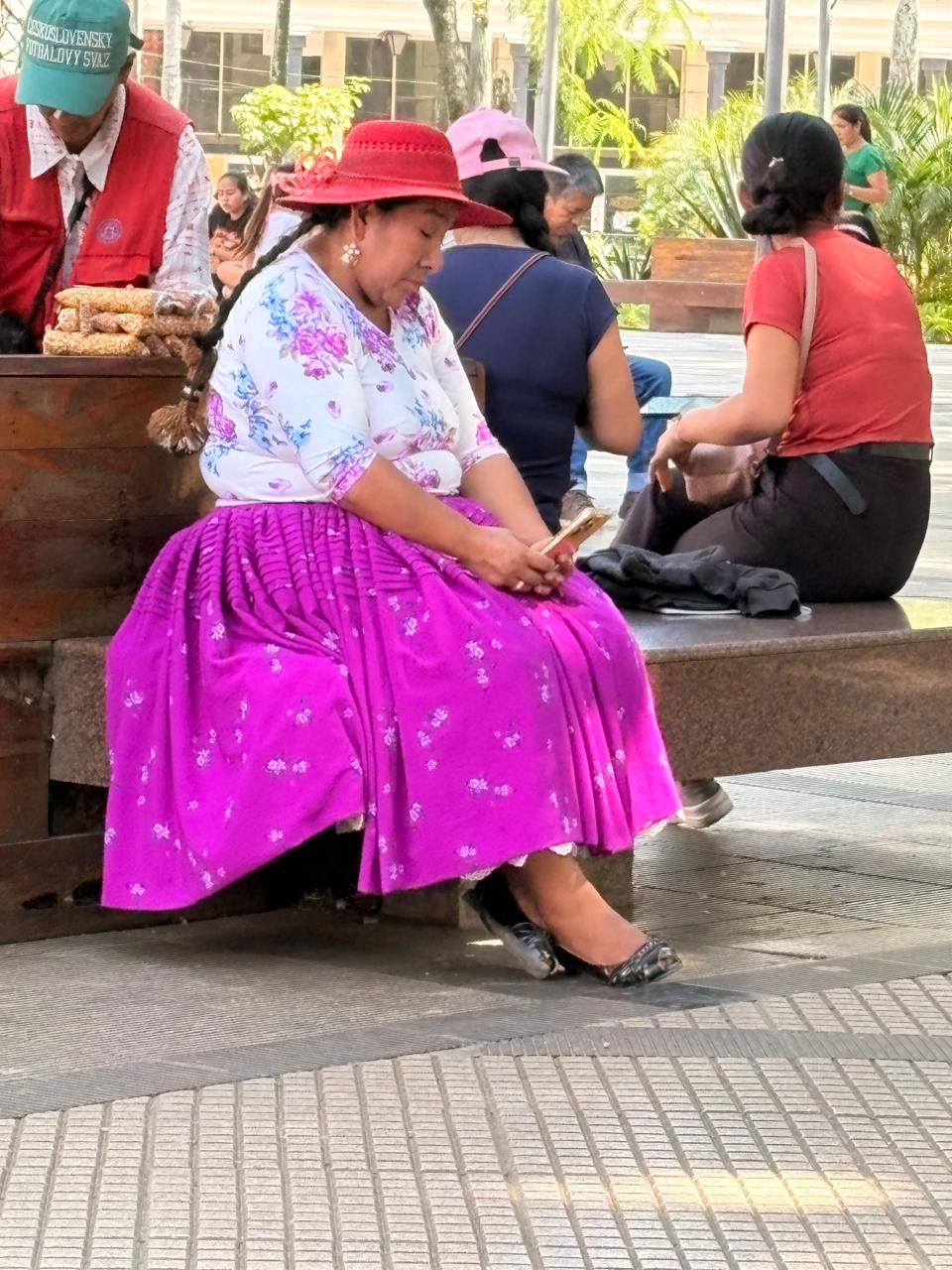
36 indigenous groups make up the rich tapestry that thrive in the Bolivian landscape. Many sites, festivals, and communities reflect the living cultures of these 36 indigenous groups, each with their language, food and colorful clothing.
Why does this matters to travelers?
If you’re planning a trip to Bolivia (like visiting La Paz, Salar de Uyuni, or the Amazon region), understanding this rich diversity adds depth to your experience.
Whether you’re seeking cultural immersion, natural wonders and foodie experiences, you’re in for a delightful surprise when you travel to Bolivia.
Santa Cruz, Bolivia
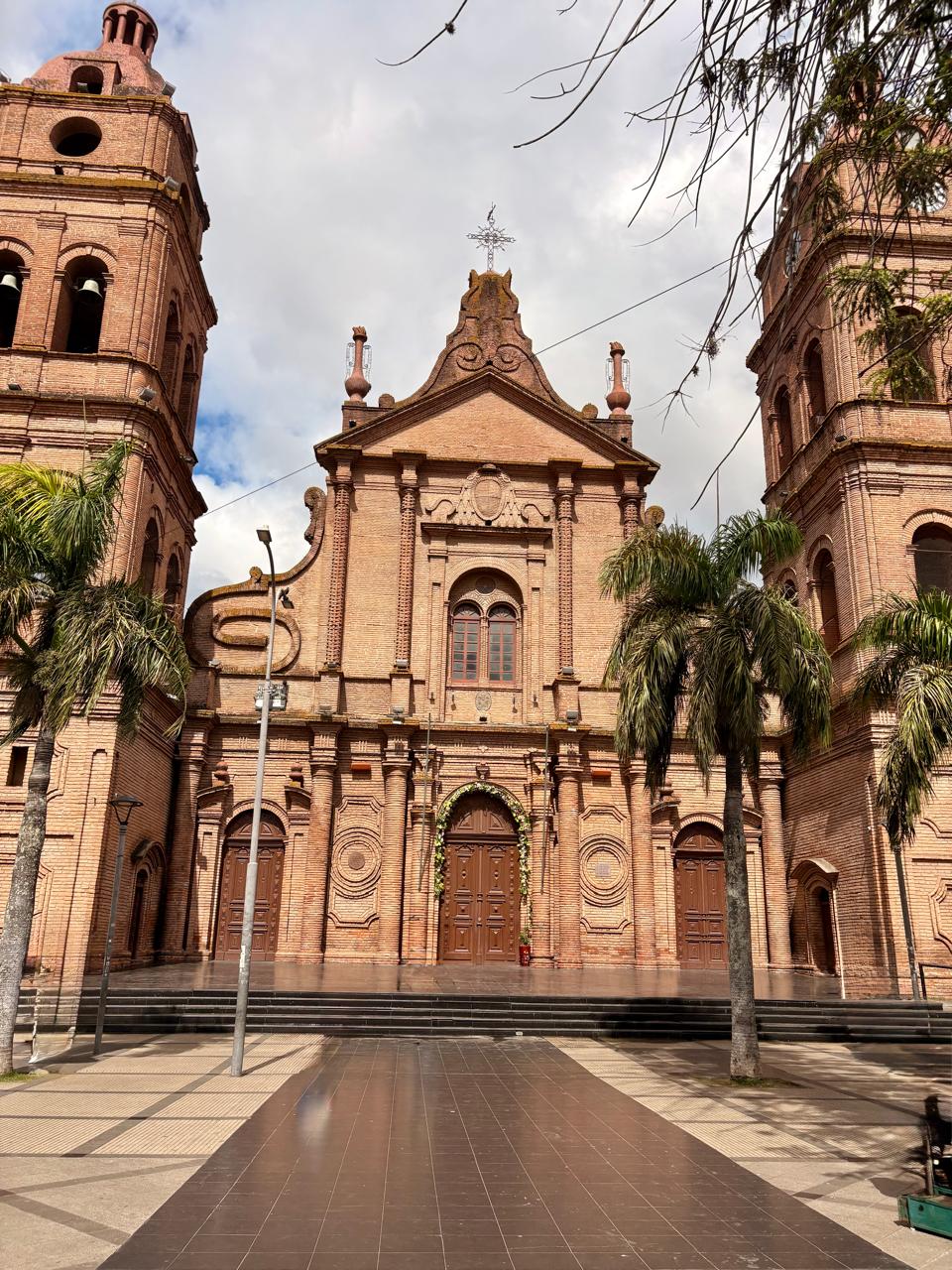
Santa Cruz, Main plaza and Cathedral
Santa Cruz: Gateway to the Lowlands
Travel to Bolivia must include Santa Cruz de la Sierra. Accesible through the international airport Viru Viru, Santa Cruz de la Sierra is Bolivia’s economic powerhouse in the tropical lowlands.
Known for it’s entrepreneurial spirit, Santa Cruz is a booming town rich with agricultural lowlands, cattle ranching and oil, and increasingly a cultural hub for the arts.
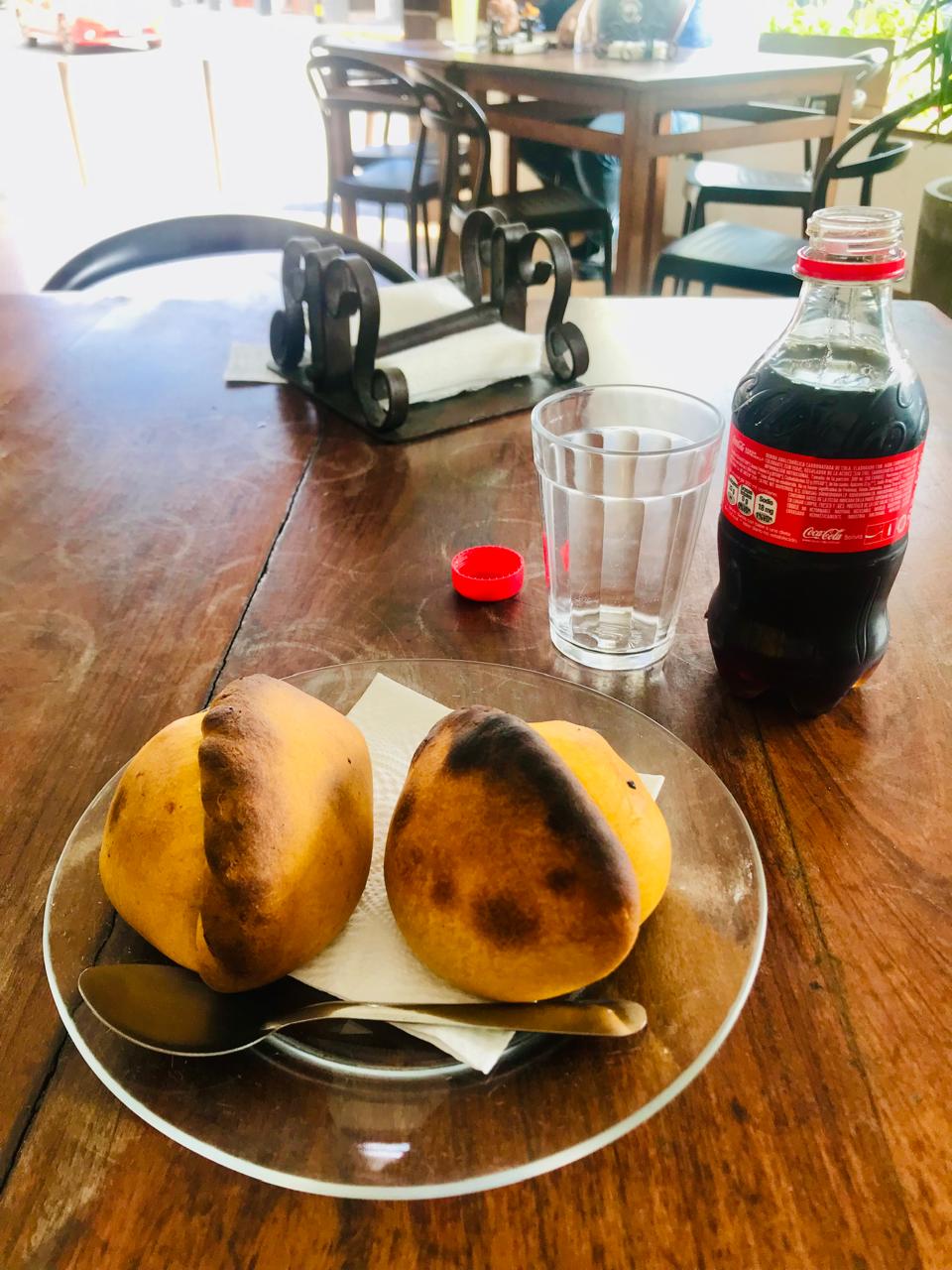
Santa Cruz was founded in 1561 by the Spanish explorer, Nuflo de Chavez and named after his home town in Spain. Santa Cruz’s rich colonial history is apparent throughout the town. Stroll through the Plaza 24 de Septiembre, lined with colonial buildings, take time for a “cafecito” and “empanadas”, then make your way to the main Cathedral, first established in 1595. Several museums are just a few steps away,
There are two main museums that are worth a visit – “La Manzana Uno”, which is maintained by local artists and the “Casa de la Cultura Raul Otero Reich” to one side of the plaza.
With a subtropical climate Santa Cruz is a stark contrast to the Andes “Altiplano”, and a gateway to the Amazon.
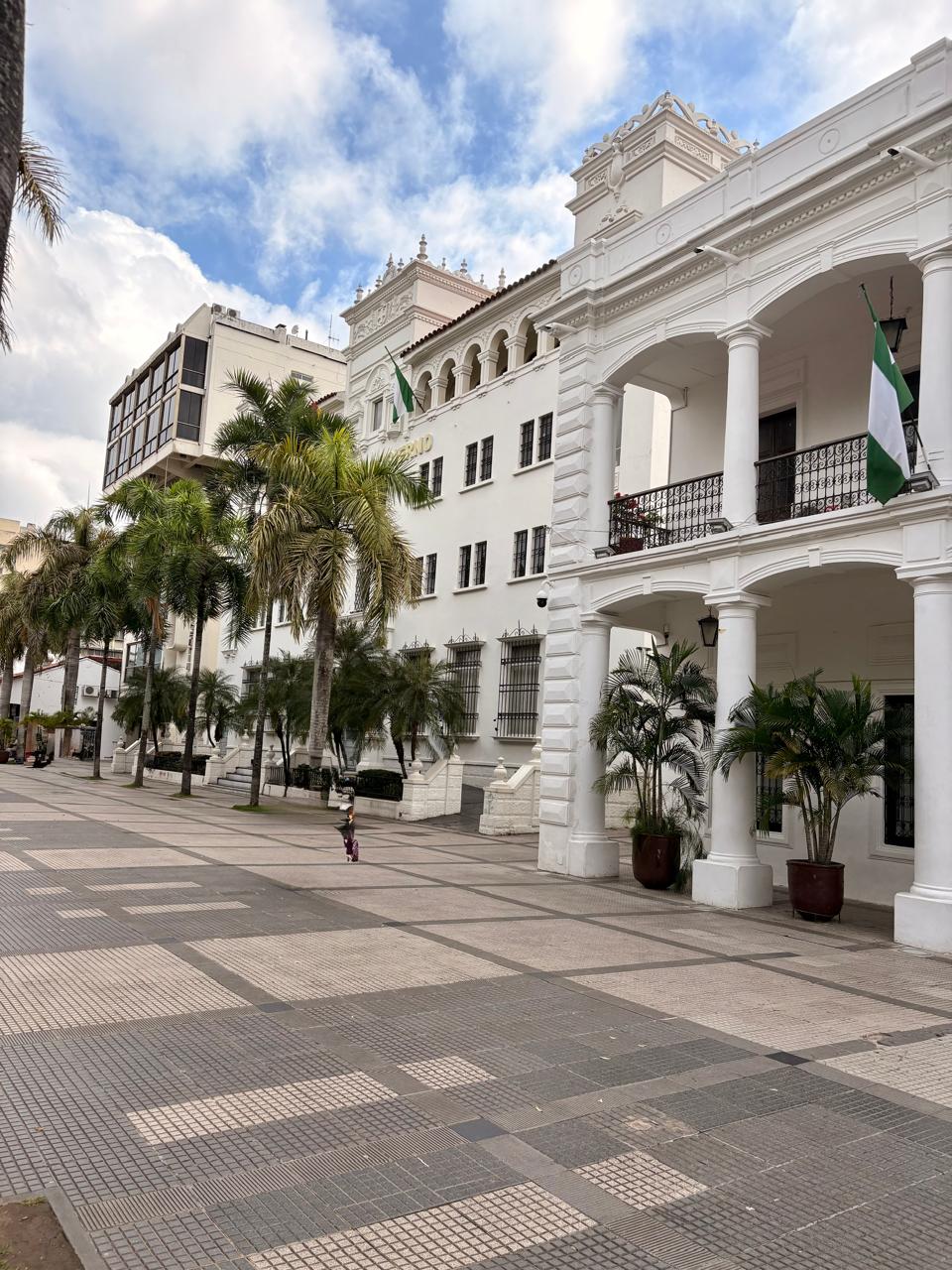
Santa Cruz Bolivia: The Thriving Heart of the Country’s Hotel & Tourism Boom
Santa Cruz de la Sierra, Bolivia’s largest and most dynamic city, is rapidly emerging as a powerhouse in the nation’s tourism industry. As the economic capital producing nearly 35% of Bolivia’s GDP, this vibrant lowland metropolis blends modern urban energy with tropical charm, serving as the perfect gateway to adventures in the Amazon, Jesuit Missions, and Samaipata.
In recent years, Santa Cruz has seen a remarkable surge in visitors, fueled by easier access (including recent visa relaxations for U.S. travelers), growing international interest, and a booming hospitality sector.
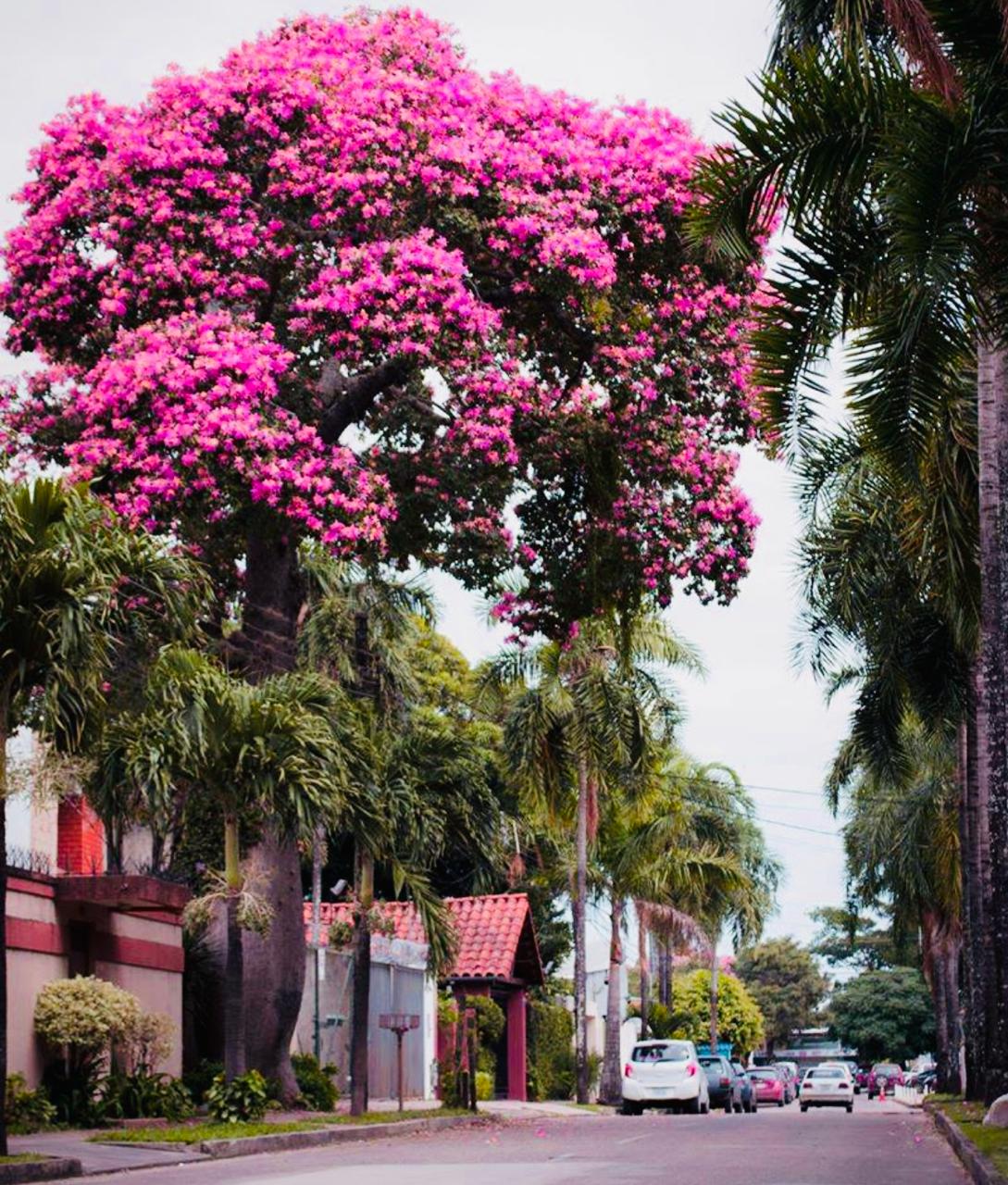
Santa Cruz attracts one-third of Bolivia’s domestic tourists and a growing number of international visitors. Its subtropical climate, lush surroundings, and role as a business and events center make it ideal for year-round travel. Key drivers include:
- Proximity to natural wonders like Biocentro Güembé (a massive eco-park with pools and wildlife) and Lomas de Arena dunes.
- Major events like the Barroque Music Festival held in April every other year, showcasing musical sheet music found in the Chiquitos Jesuit Missions dating back to the 17th and 18th centuries.
- Easy access to nearby attractions such as the Jesuit Missions and Samaipata ruins Get Your Guide Jesuit Missions
- The city boasts extensive hotel capacity, for every budget, you can book here. Trivago Hotels
The Jesuit Missions
History and Significance
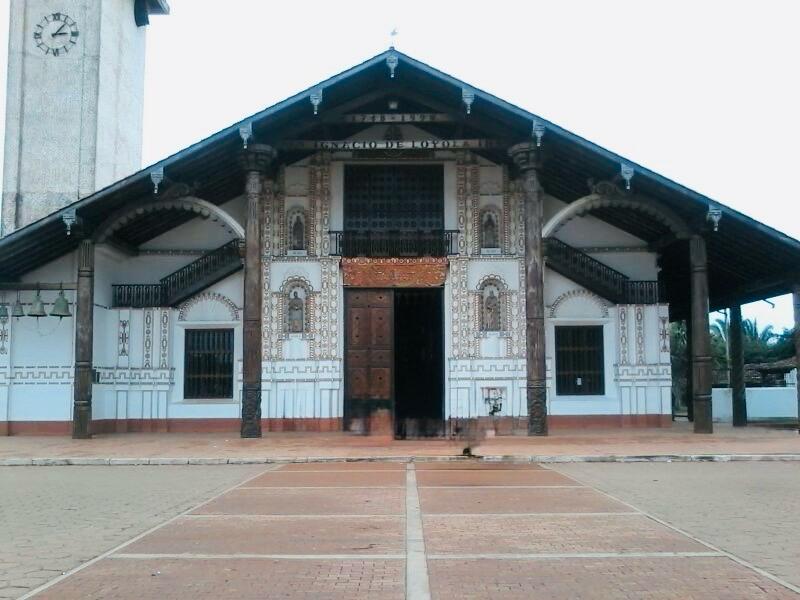
The Jesuit Missions of Chiquitos (also known as Chiquitania) are a remarkable UNESCO World Heritage Site in eastern Bolivia’s Santa Cruz Department. Founded by the Jesuits between 1691 and 1760, they represent a unique fusion of European Baroque architecture and local indigenous traditions. They stand out as the best preserved examples of Jesuit reductions in South America.
The Jesuits established these missions to evangelize and organize indigenous Chiquitano peoples into self-sustaining communities inspired by 16th-century “ideal cities.” Led by figures like Swiss Jesuit architect Martin Schmid, they blended Catholic designs with local materials and craftsmanship, creating large wooden churches with double-sloping roofs, overhanging porches, and intricate carvings. The missions thrived until the Spanish Crown expelled the Jesuits, after which the settlements evolved into modern towns while preserving their cultural and architectural heritage.
In 1990, six missions were collectively inscribed as a UNESCO World Heritage Site for their exceptional adaptation of Christian architecture to local conditions and their living cultural legacy.
The six recognized missions are:
- San Francisco Javier (founded 1691)
- Concepción (1709)
- Santa Ana
- San Miguel
- San Rafael
- San José de Chiquitos (1696)
These sites remain active religious and community centers, with restored churches showcasing ornate wooden altars, sculptures, and musical heritage.
It was in these towns where the baroque partitures were found, and where the actual festival is held.
Learn more about Bolivia and it’s rich history here: https://bolivianet.com/.
After a couple of medical mishaps, and thousands of dollars later, I will never travel without insurance again. Emergencies happen, flights get delayed. Protect your cruise investment. Here are my Best Travel Insurance for Seniors. I’ve used these companies and highly recommend them.
I share all my Travel Tips & Resources here. Everything you need to plan your vacation- from cruises, destinations, travel insurance and essential booking tools all in one place. Save the page so it’s always handy for when you’re ready to book.
Traveling as a woman can be challenging. These are my Solo Travel Safety Tips for Women: Stay Confident and Protected on Your Adventure.
Everyone loves a great cruise deal! As a retired traveler I know how important it is to make every travel dollar count. My guide, How to Find Cheap Senior Cruises Without Sacrificing Quality, shares the money-saving tips I use to find affordable cruises, compare prices, and get the best value without compromising your vacation experience.
About the Author: Evie is the founder of Wander With Evie, a travel blog for seniors focused on helping readers enjoy stress-free cruising and destination travel. I personally cruise and research itineraries across the U.S., Europe and the Caribbean to ensure every guide is practical, realistic and based on real travel experience. It’s a tough job, but someone has to do it.
This post contains affiliate links. If you click one and make a purchase, I may earn a small commission at no extra cost to you. This helps support the site and lets me keep sharing articles and resources with you. As an Amazon Associate, I earn from qualifying purchases. Thank you for your support! Let me know what you are interested in.